
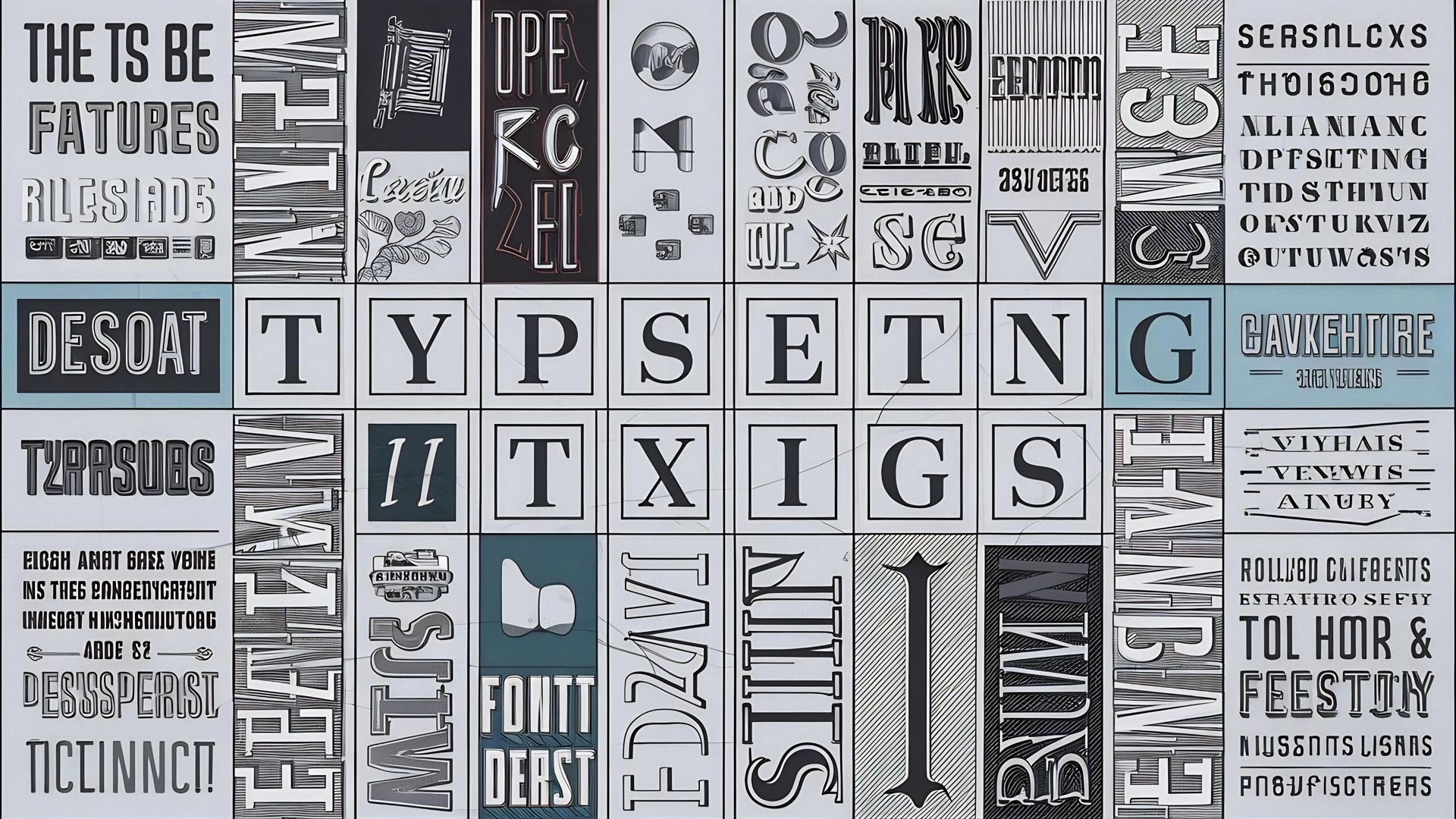
The font in your logo does more work than most people realise. It’s not decoration – it’s a direct signal to anyone who sees your brand about who you are as a business and what you stand for. Get it wrong and even a well-designed logomark can be set up for failure. There are five main font categories to understand
Serif
Typefaces with small strokes at the ends of the characters. These are usually associated with heritage, authority and trust. Think Times New Roman or the font used in the Tiffany logo. Law firms, financial institutions and long-established brands tend to make strong use of these because serif fonts carry a sense of credibility and longevity.
Sans serif
Clean letterforms with no strokes. Modern, minimal and approachable. Helvetica is the classic example (it even has its own feature-length documentary, Gary Hustwit’s Helvetica from 2007, which is worth an hour and a half of any designer’s time). It’s the basis for logos used by brands including BMW, Huel and Transport for London. Most tech companies default to sans serif because it reads as forward-thinking and uncluttered. It’s also the most versatile category for screen use.
Display
Decorative typefaces designed to make an impact at large sizes. Display fonts are commonly seen in entertainment, fashion and hospitality branding. They’re distinctive and memorable but limited in versatility – they rarely work well at small sizes or in body copy. A great example is Stranger Things – the distinctive font immediately transports you to the 1980s before you see a single scene.
Script
Flowing, connected letterforms based on calligraphy. Cadbury and Harrods both use script-based logos to signal elegance and a sense of occasion. Script fonts can feel luxurious and personal but need careful handling – they can become illegible quickly, particularly at small sizes or on screen.
Handwritten
Informal and characterful, handwritten fonts look like someone picked up a pen rather than opened a type catalogue. Handwritten fonts are the typeface equivalent of a chalkboard menu – they work brilliantly for independent coffee shops, craft breweries and artisan food producers where personality and authenticity matter.
A brief word on Comic Sans
No guide to logo fonts would be complete without addressing this. Comic Sans – released by Microsoft in 1994 – has become so universally despised by designers that it has its own dedicated hate movement. To be fair to it, it was designed for a specific purpose and does that job adequately. The problem is that it escaped into the wild and ended up on everything from corporate signage and medical notices to email signatures and, inexplicably, several actual logos! If you are considering Comic Sans for your logo, please don’t. If someone is seriously suggesting it to you, find a different designer. Quickly.
Personal taste is largely irrelevant here. The test is whether the font communicates the right thing to the right audience.
When to bring in a professional
You can research and select fonts yourself. Where it gets complicated is knowing how to use them – spacing, weight, pairing, and how the font interacts with the rest of the logo. A poor execution of a good font is just as damaging as choosing the wrong one.
RMP Design has been working on brand identity projects for clients across Hull, East Yorkshire and beyond for over 30 years.